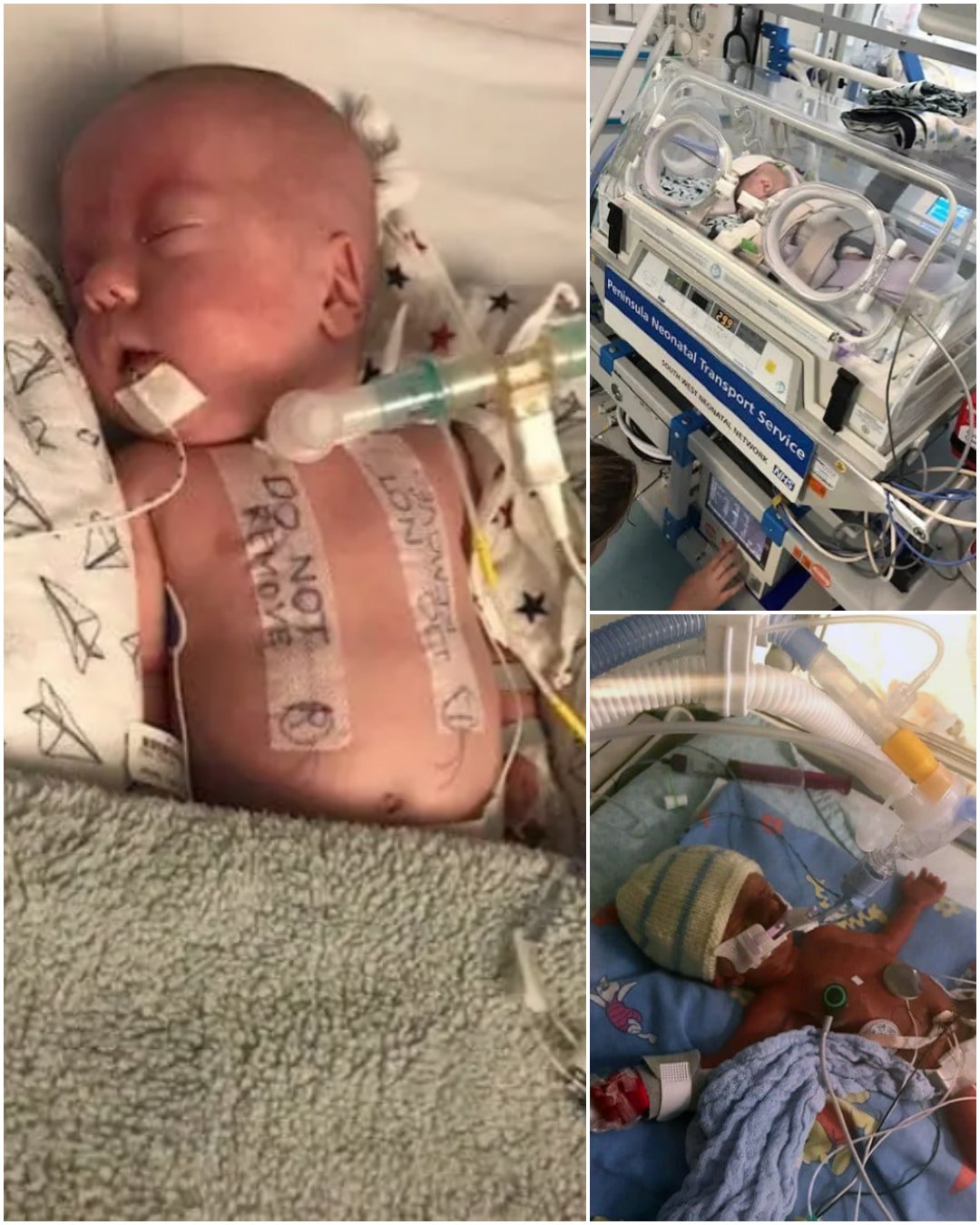
The summer of 2020 should have been a time for family memories.
Alex and his partner were meant to be in Portugal for their wedding.
But COVID-19 had different plans.
Instead, they spent the summer at home, making the most of family time and tackling some home projects.
Alex had taken a week off work, and they were focused on their little boy, Lewis, their three-year-old “Charlie Bear.”
It was an ordinary Sunday morning when everything changed.
Lewis woke up with a slight complaint: he felt nauseous but still managed to devour a huge breakfast.
A typical toddler moment, Alex thought.
The next day, Alex went back to work.
When he called his partner to check if they needed anything from the shop, he was met with a shocking update.
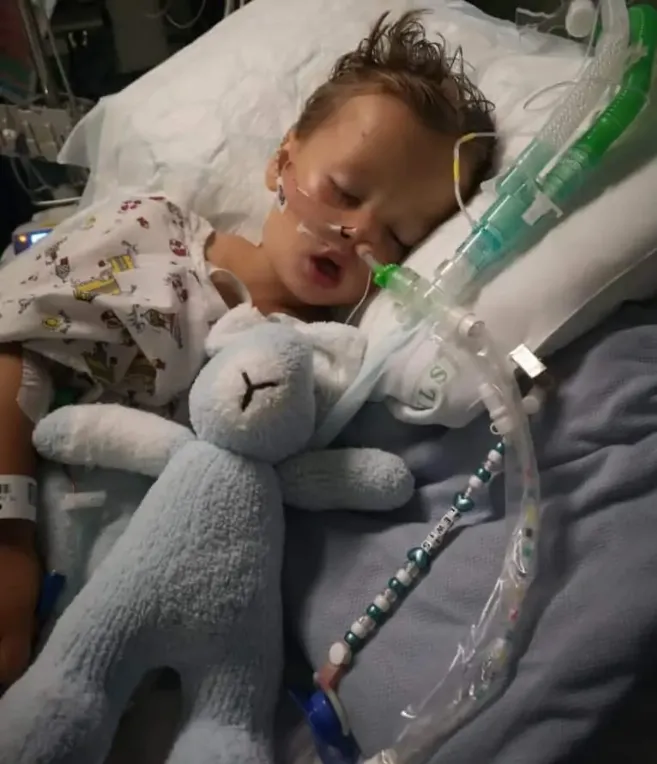
Lewis, sitting on his mother’s lap, had suddenly gone pale, his eyes rolled back, and he collapsed.
For a few moments, he went completely unconscious.
Alex’s heart sank as his partner rushed to the doctor.
Instead of calling an ambulance, the doctor asked if they had considered the possibility of a brain tumor.
A brain tumor?
No, that couldn’t be right.
But they were soon on their way to the hospital, their world spinning out of control.
At the hospital, the urgency was palpable.
Alex met them, only one parent allowed to stay due to COVID restrictions.
The doctors rushed in, examining the CT scan with alarm.
When his partner arrived, it was like something out of a movie.
The words they heard shook them to the core:
“Your son has a brain tumor.”
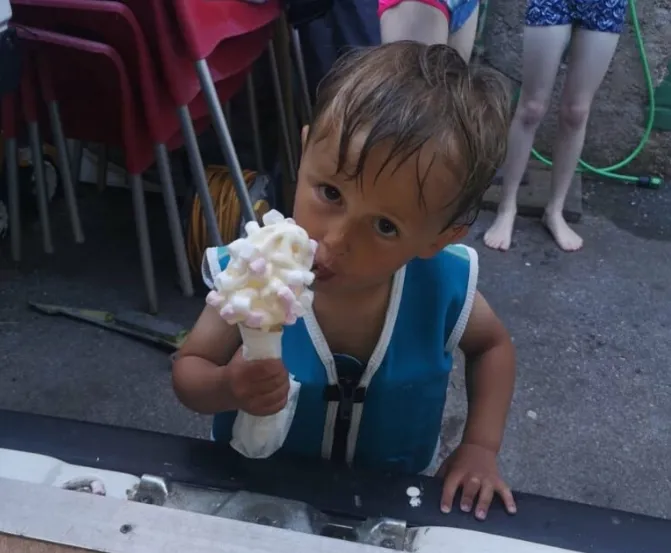
Just hours later, they were in an ambulance on their way to Bristol Children’s Hospital.
A terrifying five-hour journey to a city they didn’t know, to a hospital where their son’s life would be decided.
In the Emergency Department, another CT scan confirmed their worst fears.
Lewis’s condition was deteriorating fast.
His brain was swelling, and he needed surgery right away.
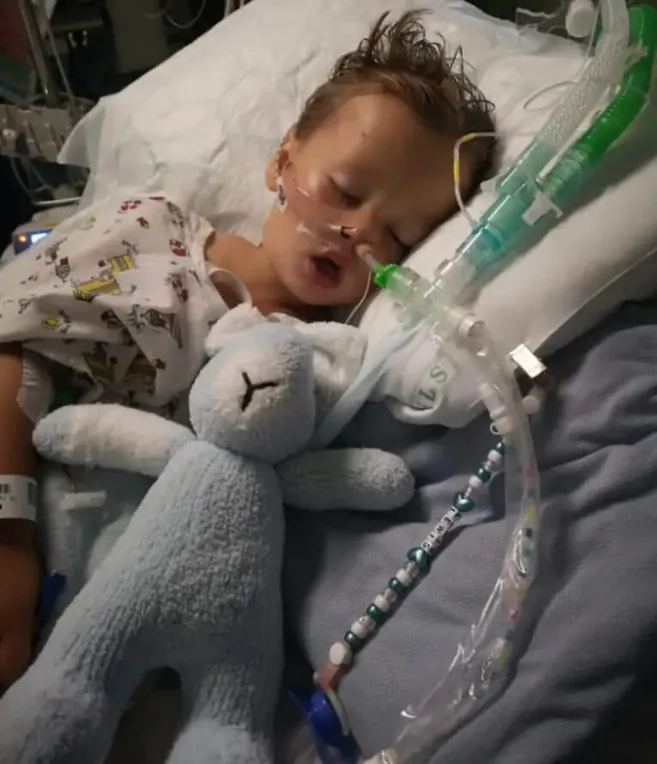
They were moved to Daisy Ward, the high-dependency unit, where the doctors and nurses fought to stabilize him.
The next day, Lewis underwent surgery to drain the fluid on his brain.
The diagnosis was confirmed:
Grade 4 medulloblastoma, an aggressive brain cancer in the cerebellum.
The tumor was affecting his motor function, and his condition had taken a sudden, dangerous turn.
The surgery to remove the tumor was scheduled.
Alex and his partner had never felt more helpless.
The thought of putting their son through such a risky operation was unbearable.
But they had no choice.
On Friday, June 12th, Lewis was taken into surgery at 10 a.m.
The procedure would last 18 hours.
The waiting felt endless, each minute stretching into eternity.
When the surgeon finally called, Alex and his partner’s hearts raced.
The tumor had been successfully removed.
But the battle was far from over.
The cancer had spread, affecting Lewis’s spine, and he was diagnosed with Posterior Syndrome.
It meant he had lost the ability to speak, swallow, or move properly.
In just one week, their world had been turned upside down.
They were in an unfamiliar city, with no family support nearby.
Between hospital visits, they struggled to find a place to stay, living out of a suitcase in a city with few open hotels due to the pandemic.
Then came the lifeline they didn’t expect.
They were told about The Grand Appeal, which provided them with accommodation at Paul’s House, just across the street from the hospital.
The relief was instant.
A place to stay, free of charge, during their son’s life-or-death battle.
The next few months were filled with chemotherapy and high-dose treatments.
Lewis’s strength was nothing short of extraordinary.
Despite the cancer’s aggression, he never gave up.
After several rounds of chemotherapy, Lewis’s cancer stopped growing.
It wasn’t shrinking, but it wasn’t getting worse either.
And for Alex and his partner, that was enough.
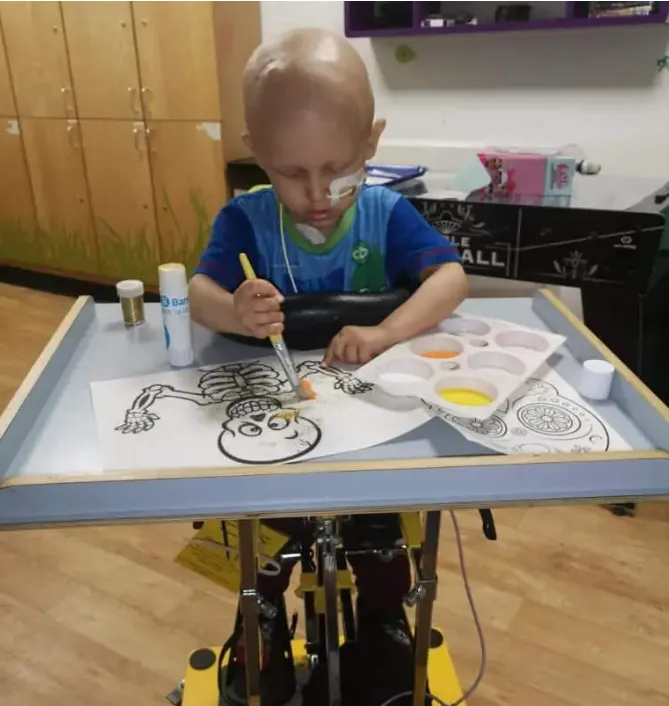
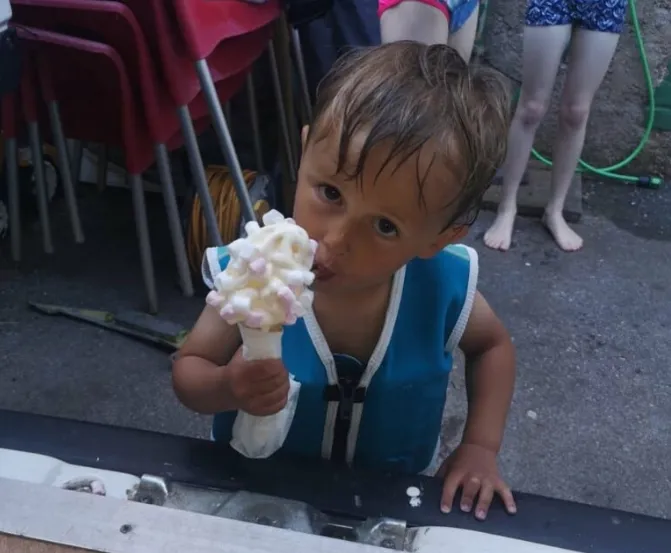
Today, Lewis is a bright, cheeky, and resilient five-year-old.
He’s back to his usual mischievous self, smiling and laughing, with a love for football.
He’s still under the care of Bristol Children’s Hospital for his heart condition, but his life has returned to something close to normal.
For Alex, the last six months have been a blur of uncertainty, fear, and exhaustion.
But they’ve also been filled with moments of hope.
The generosity and support of The Grand Appeal made a world of difference in their journey.
As Christmas approached, Alex couldn’t help but reflect on the hundreds of families who would be spending the holiday in the same situation they had found themselves in.
They would not be going home.
They would be staying within the walls of the hospital, relying on the incredible doctors, nurses, and support staff who had helped save their children’s lives.
Alex will never forget how it felt to be overwhelmed by charity requests.
The stories seemed so distant.
But now, he knows firsthand just how real and urgent these needs are.
He will continue to spread the word, raise money, and help others in any way he can.
And for anyone thinking about how they can help, Alex’s message is clear:
Your support matters.
It makes a difference.
And it’s the reason families like his have a chance to heal.
When a Little Girl’s Courage Outshines a Cruel Diagnosis: The Beautiful, Heartbreaking Journey of Six-Year-Old Flora Gentleman. 3880